
Blog Posts

Home Safety Checklist for Older Adults-image

  Remember when you were a kid and your parents told you not to run with scissors? To be careful jumping off the swings? Not to eat glue? There’s a good chance your current home safety checklist would not need to include those warnings. But, as we move through the various stages of our lives, the way we interact with our environment continues to change, along with the inherent risks to our safety.   Whether living alone or in an active adult community, home safety must be a high priority. When you compile your home safety checklist, make sure you address the concerns below.  Be Prepared with Emergency Numbers Keep in mind you may or may not be the one dialing an emergency number. If you are making the call, chances are you will be upset and possibly injured. Be sure the information is written in large print and easily accessed. Include 911 for ambulance service, and numbers for poison control, a family member and your doctor’s office. Reduce Your Risk of Falling Many fall injuries could be prevented with a little extra attention and care. Carry a cordless phone with you so you don’t have to rush to answer. If you can’t get to the phone safely, just let the answering machine pick up and call back later. No call is urgent enough to risk falling. Smooth, slippery floors and stocking feet are a lethal combination. Keep non-slip slippers handy so you can be both safe and comfy.   If you have a cane or walker, arrange furniture to allow plenty of room to maneuver so your living space does not become a dangerous obstacle course. If your physical condition puts you at a high risk for falls, think about a special alarm bracelet or necklace that has a button to push to contact emergency services. Keep Walkways Clear Nothing ruins a relaxing day like falling over a poorly placed pair of shoes on the floor. A trip to the closet is a lot less aggravating than a trip to the emergency room. Keep hallways, stairs and open areas free of potentially harmful clutter. Make sure all area rugs are securely taped to the floor, so they don’t slip when you walk on them. Where There is Smoke… Check smoke detector batteries regularly. Change at least twice a year. Don’t overload sockets with too many extension cords. Candles are lovely and romantic. Make sure to put them out when you leave the room. Never go to sleep with lit candles in the bedroom. If there is a fire, get out first and call 911 second. Make the Bathroom a Hazard-Free Zone Rubber mats in the bathtub will prevent slipping If physical limitations make it difficult to get in and out of the bathtub or shower, it’s easy to install grab bars. There are also special shower chairs and benches and raised toilet seats if necessary. Avoid scalding by keeping the water heater no higher than 120 degrees F. Carbon Monoxide: The Silent, Odorless Killer Make sure there is a carbon monoxide detector near all bedrooms. Test batteries regularly and replace at least twice a year.  Manage Medications It’s a good idea to keep all medications in their original containers to avoid making mistakes. Ask the pharmacist to put large print labels on them to make them easier to read. Stay Fit, Stay Safe Maintaining physical fitness is important for senior health and wellbeing. Avoid injuries that will put you on the sidelines by choosing  activities that are appropriate to your skill level and respect your limitations. Enjoy this exciting chapter of life in an environment that supports home safety for seniors. And even though you’re all grown up, when you’re running after the grandkids, don’t forget to put those scissors down first.  

Read more


How to Cultivate A Healthy Social Life-image

  Remember the first time you faced the challenge of any first-time social situation? First day of school, first date, first time walking into a room full of strangers at a school meeting or party for the kids? Putting yourself out there socially always requires a little bravado, but the rewards are more than worth it. In fact, as an active adult, the health benefits of social interaction go far beyond fun and friendship. Statistics show your social life has a critical impact on both physical and emotional wellbeing. Active adult communities take your social life seriously, offering full schedules of activities that facilitate and nurture relationships between residents. But even in that kind of supportive environment, if you are dealing with the loss of a spouse, coping with physical ailments or limited mobility, or processing the major life changes that come with active adulthood, facing a new social scene can be daunting. Here are a few tips to get you socially motivated. Once you get your feet wet, you’ll be ready to dive in off the high board.   Just Say Hello A friendship starts with hello. Chances are there are people that you see on your daily errands or in the neighborhood that are potential friends. When you recognize regulars at the market, don’t be afraid to smile and strike up a conversation. If you have just moved into a new active adult community, knock on your neighbor’s door and introduce yourself. You may not be the most outgoing member of the group, but if you show interest in the people around you, they will respond.   Be Open Minded Would your kids say you’ve become set in your ways? It’s too easy to get stuck in a rut that leads to life by default. After all, you’ve been around the block and have definite opinions about what you like and don’t like. The good news is, new opportunities may bring out new sides of your personality. When it comes to trying new experiences, just say yes! You may surprise yourself with your newfound joy and enthusiasm as you explore new avenues. The great news is you will be sharing these new adventures with like-minded peers who will soon become new friends. Log On If you’ve ever seen two young adults on a date so focused on their phones they don’t even know they have company in front of them, you know technology has its downside. However, when it comes to staying in touch with out of town family and old friends, technology can be an indispensable tool. Facetime with the grandkids and set up a Facebook profile to see pictures and stay current on what’s going on in their lives. Don’t forget, as more and more active adults are discovering, technology can also be a great resource for romantic connections. Exercise Your Mind Broaden your horizons with a book club, community college class or lecture series. You will receive the double bonus of sharpening your mind while meeting others who share your intellectual curiosity. After the event, join other participants for a cup of coffee or cocktail to discuss what you’ve learned. Fake It ‘Til You Make It At first, being proactive about getting socially involved may feel like a huge effort. But once you gain confidence, that positive attitude will be the key to reaping the health benefits of social interaction. So, take a deep breath, put a smile on your face, and get ready to make this the time of your life.

Read more
Experiencing the Community: Tips on What to Prepare, Questions to Ask, Things to Look For-image

  Now that you are ready to execute your plan to rightsize, it’s time to get serious about finding the perfect active adult community . Brochures, websites and phone calls, though informative, can only take you so far in your decision-making process. Once you have nailed down your geographical preference, the next important step is setting up tours of your favorite properties. To make the most of the experience, be sure to pack enthusiasm, a positive attitude and a well thought out list of questions. Questions to Ask on a Senior Community Tour Dollars and Sense Make sure you are totally clear about the price of living in the community . You don’t want any hidden, unexpected costs to rear their ugly heads later. What is included in your rent, and what is available for an extra fee? Is there an extra charge for fitness club classes and other community sponsored activities? Is your deposit refundable? And if so, under what conditions? It is important that you and your new lifestyle are financially compatible. 55+…What Does it Really Mean? Ask your tour guide to explain the parameters of 55+ restrictions. Are there any rules for overnight visitors, like grandkids, who are clearly under 55? What if you are 55+ but your spouse is not? As you tour the community, make sure their age-related policies are the right fit for your household. Four Legged Friends? Will your dogs, and cats be welcome in your new digs? And if so, will there be any special accommodations for them, like doggy parks or events with other pet owners? If the plan is for your furry best friend to be part of your new adventure, make sure your chosen community is pet forward and friendly. Community Spaces Your living space includes the entire community, not just your apartment. You might want to find out the last time areas like the fitness center, card room, theater or community kitchen were updated. Do they look pristine and well maintained? How often do those spaces undergo renovations? Are there dedicated public rooms available for private gatherings? At what cost? You are looking for a well-cared for environment that you would be proud to both live in and show off to others. Home Sweet Home…For How Long? It would be helpful to study a leasing agreement before the tour to be prepared with any rental questions. Are there options for different lengths of occupancy? Are there any conditions under which you will have to move? If you start off as a single occupant and meet a significant other, can you stay in your apartment? Will the rent increase?   Activities and Opportunities Every active adult community features different schedules of activities and educational opportunities. Does this community have a dedicated theater? A kitchen for cooking classes and chef demonstrations? How often do class schedules change? Is there access to your favorite sport, fitness regimen, or area of interest? Will there be special events to welcome newcomers and facilitate your social adjustment? A manicured, well-kept community is important, but you also want one that makes the social, physical and mental wellbeing of its members a top priority. Those Intangibles Once you’ve toured the premises, there will be questions to ask yourself. Did the style and personality of the community feel like a good fit? Did you see happy, smiling people who seem to be enjoying their surroundings? Most importantly, did you envision yourself becoming one of them? Or a better question: Do you wish you already lived there?  

Read more
Transitioning to An Active Adult Community: Emphasizes Self Care-image

  The house is filled with cherished memories. It’s also loaded with extraneous stuff, amassed over decades, that is no longer essential to your lifestyle. The former is lovely, but not really a reason to continue living in a space that has outlived its purpose. The latter is just baggage keeping you from thoroughly embracing what should be a new, stress-free—and clutter-free—life. The good news is your memories of the past can come with you wherever you go. The better news is you can streamline your life and start fresh in an environment designed specifically to cater to your present and future. As more and more of the 55+ population is discovering,  active adult communities are the logical choice for “rightsizing” your life. Many say they had a difficult time cutting the cord but once they took the plunge, their only regret was not making the move sooner. There is no doubt transitioning out of the old and into the new is an emotional journey. There is a general reluctance to leave the familiar and the fear of the unknown can loom large. But when you weigh the pros and cons, the pro side of the scale is fully loaded with all the positive, life-enhancing opportunities that await. Here are a few guidelines to help alleviate the stress of moving and create a smooth transition into the active adult community of your choice. Do Your Homework Once you’ve decided on your dream location, type of living space, and the activities that would fulfill your wish list, conduct thorough research. Become fully aware of all the costs involved and study any contracts or financial reports with your lawyer or accountant. Talk with current or former residents and plan a visit to the properties that includes extended time, so you can get a real feel for the place. Bring the Kids Keep the kids in the loop as you wade through the selection process. Understanding where you are going and how you will be living will help relieve any questions they may feel about the move. Once they’re on board, they can be a great source of help and support. Call in the Pros Part of the weight of “rightsizing” into a new home comes from the tremendous task of getting out of the old one. Professionals who specialize in relocation to retirement communities can help you decide what to keep, leave behind, sell or give away. Dive Right In The sooner you get involved in activities and classes, the sooner you will meet other active adults who share your interests. Once you start taking advantage of the daily opportunities for social interaction, your neighbors will quickly become your new friends. Attitude is Everything A positive attitude and an open mind will go a long way in maximizing your active adult experience. Life will be precisely what you make of it, depending on your level of participation. The best part of living in an active adult community is knowing there are always people there for you when you want or need them. There is always the option to spend time on your own, but you never have to feel alone.   Sure, it’s nostalgic to walk by your kid’s room and stare at all the old sports trophies. But,  put that up against a whole new community of welcoming enthusiastic peers, and daily opportunities for social, intellectual, spiritual and emotional growth, and, well…it’s a no-brainer. Active adult communities celebrate you and this unique and exciting phase of life. With the whirlwind of activities, you’ll have to be sure to schedule in time to sleep!

Read more
The Guys at Breakfast-image

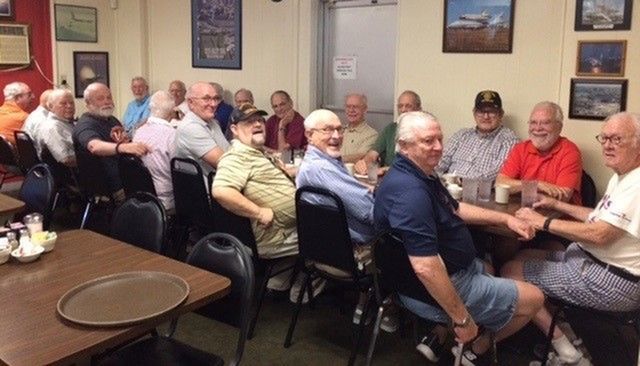
When Dan and Bonnie Carlson rightsized and joined the active adult apartment home community at  Overture Ridgmar, Dan was anticipating stress-free, turnkey living in an environment that would cater to the physical, mental and social needs of this chapter of life. Little did he know the opportunities to expand his horizons would include transforming a bunch of neighbors into a supportive, cherished, inclusive group of new friends. The Guys at Breakfast By Dan Carlson In Fort Worth, Texas, the “go to” place for good food and great service is the West Side Cafe.  If you stop there on a Tuesday morning, don’t be surprised by the mob of guys sitting in the back room talking, laughing and enjoying breakfast together.  The restaurant knows to expect this crew and, though doctor’s appointments and other alibis can cause the numbers to fluctuate, a solid ten to twenty guys make it a point to show up every week. I am proud to count myself a member of this merry band.  We are all neighbors at Overture Ridgmar, a 55+ Active Adult Apartment HomeRetirement Community and on Tuesday mornings, we form up and car pool to our weekly gathering.   A casual diner walking into the West Side Cafe might be inclined to simply write us off as a rag tag collection of “old guys” with grey hair (or, in some cases, no hair).  But that would be a mistake. Having had the good fortune to spend time with these fellows and get to know a little bit about them, I can testify to the fact that the experiences, depth of knowledge and record of accomplishments around that table are, in a word, remarkable.  Many of my breakfast colleagues have founded and managed businesses. Others have performed design work in aeronautics. There are medical professionals, men with legal backgrounds, advanced teaching credentials, two preachers, a musician, and a banker. Military service is a common theme among us, but you would never know it based on our Tuesday conversations. Nobody aggrandizes their time in the armed forces.  You have to ask…and ask again…to learn what they have done in service to our country. Early in my career as a police officer I learned that, occasionally, people would decide to resist arrest. They would raise their fists and declare loudly: “I’m not going to jail. I’m going to kick your ***! Caution was always important, of course, but in most cases I found those bold declarations to be little more than bombast.  On the other hand, those who quietly assumed a bladed and balanced stance, kept their hands free, made direct eye contact and didn’t say a word always impressed me. It was clear those folks knew how to handle a physical confrontation. They didn’t have to broadcast how tough they believed themselves to be. In my experience, the same applies to military veterans.  Maybe it is just me, but when someone repeatedly expounds on their military heroism without being asked, I tend to be suspicious of their declared credentials.  It is the quiet one, the one who has to be prodded to talk about his experiences, who usually has the most impressive story. For example, there are a number of retired Vietnam veterans in our Tuesday breakfast club, including a KC-135 pilot, a member of a B-52 crew, a Helicopter pilot, a Swift Boat crewman, a West Point graduate who commanded an artillery battalion, and several enlisted “ground pounders.”  We also dine with a veteran of the Korean conflict who, at age 19, parachuted into North Korea. None of the men around our table talk about their military experiences unless prompted, but each is rightly proud of what he has done in service to our country. Though to the casual observer, we may seem like a bunch of older guys talking Texas Rangers or sharing remedies for our aches and pains, there is so much more going on at that table. I have been and continue to be privileged to get to know and learn from some truly extraordinary men.   Every day my wife and I remind each other how fortunate we are to have found Overture Ridgmar almost two years ago. There is so much to celebrate about our new life as part of this exceptional active adult community. No doubt one of the most rewarding benefits is my new group of incredible guys who have turned Tuesday breakfast into a much-anticipated weekly highlight. The health benefits of socializing for active adults cannot be overstated. To that end,  Overture’s 55+ active adult apartment home communities focus on bringing people together to create meaningful and lasting new relationships and a true spirit of community. Just ask Dan Carlson whose hopes for building an active social life at Overture Ridgmar have exceeded all expectations. Learn more about his experiences at https://danbonbooks.blog. ABOUT AUTHOR   Daniel Carlson Daniel Carlson is a retired police officer, former law enforcement educator and present-day active author. He and his high school sweetheart Bonnie, have been married for over half a century and have recently co-authored a book titled, “Home Sweet Apartment…Getting Rightsized in Our Seventies.” The young at heart couple are currently loving life at Overture Ridgmar , which is in the Great State of Texas, and in purposefully close proximity to their three children and seven terrific grandchildren. Connect with Dan via: Website: www.danbonbooks.com Facebook: Facebook.com/danbonbooks Blog: www.danbonbooks.blog

Read more
Why Choose an Emotional Support Dog-image

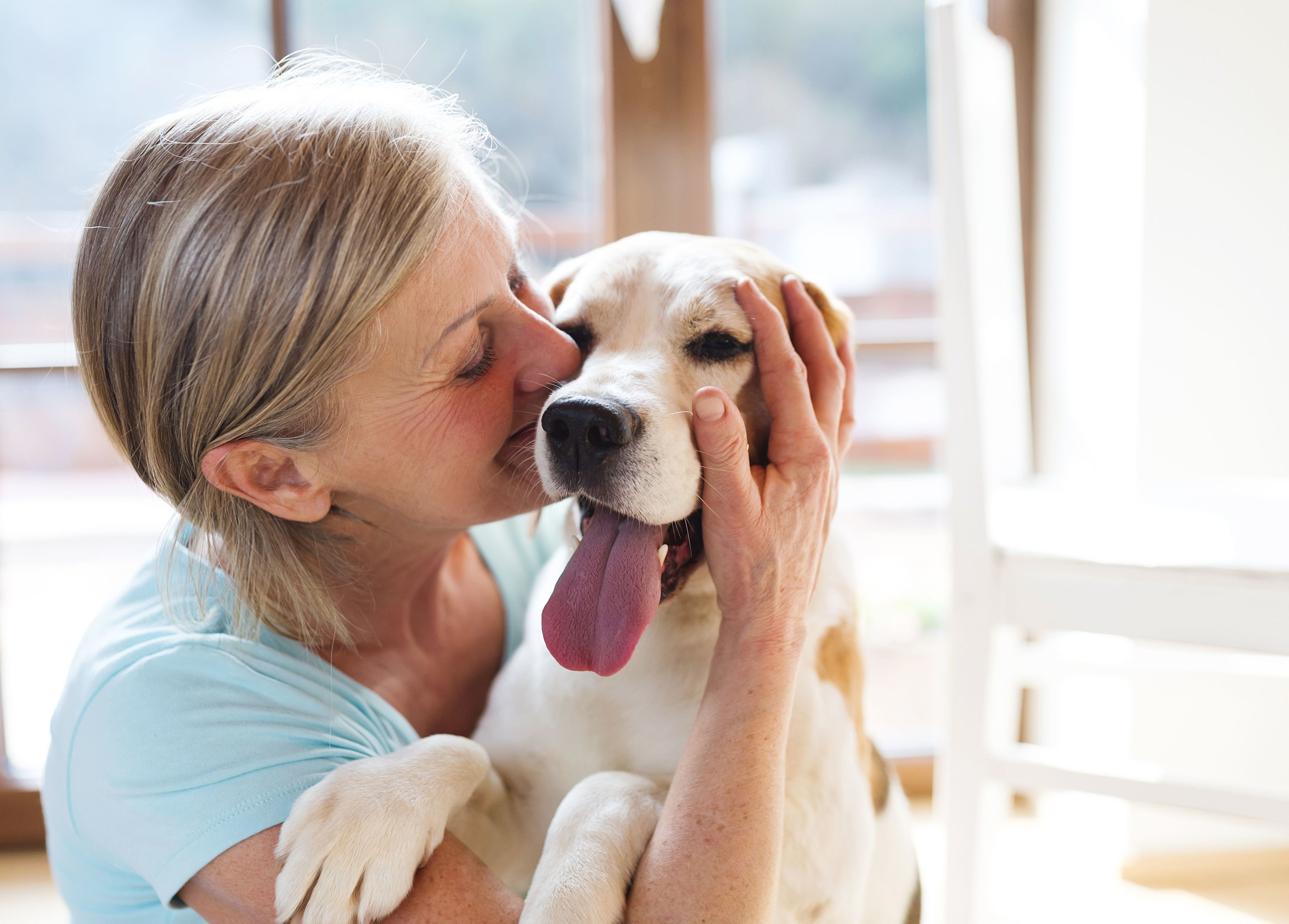
  “Happiness is a warm puppy,” said the late cartoonist Charles Schulz, who may or may not have realized the scientific accuracy of that statement. Bonding with a furry friend for even a short period of time can, in fact, stimulate the production of serotonin, along with prolactin and oxytocin, promoting feelings of happiness and wellbeing. Cute, cuddly, andan excellent anti-depressant? No wonder emotional support dogs are a popular choice for many seniors.  As we age, isolation is the single biggest threat to our mental health. Kids leave town, the old neighborhood changes, or a loving spouse passes away, and the days can loom long and lonely. Research shows that dynamic social connections are vital to a senior’s physical and mental health - a key reason more and more are flooding to active adult communities. An emotional support dog is the extra bonus that makes coming home after happy hour or a favorite class something to look forward to. Beyond reducing stress and lowering blood pressure, a dog will keep you rooted in the present. They don’t worry about the future or the past. They express joy in the here and now, an attitude that tends to rub off on people. And let’s not ignore the physical benefits that come with caring for a dog. Studies show that  seniors with dogs walk farther and faster than their dog-less peers. Clearly, this is a lifestyle choice that supports your heart - literally and figuratively. When choosing an emotional support dog, be sure to carefully consider breed, size, temperament, and most importantly, age. The last thing you need is a puppy that requires constant care. Older dogs that are calm and well behaved make great companions for older humans. Check out these top ten best dogs for seniors. 1. Pug Adaptable, charming and eager to please, pugs are affectionate and playful and do not require a lot of exercise. They do tend to shed quite a bit, especially in warmer climates. 2. Schnauzer Schnauzers are energetic, playful and trainable and though good with children, they can have strong guarding instincts. They come in a variety of sizes, including miniature, which makes them a great choice for limited space. Keep in mind they have a medium energy level, so playtime will keep you moving. 3. Cocker Spaniel With their even temperament, cocker spaniels are a popular breed. They can weigh up to about 20 pounds, and do tend to be energetic. They also require a bit more grooming than some of the other options. 4. Chihuahua What chihuahuas lack in size, they make up for in personality. They love being showered with affection but can become protective. With that being said, they may take a bit of training to deal with children. They are active, but so small they can get adequate exercise by playing indoors. 5. Boston Terrier Boston terriers have it all. The right size, temperament, minimal grooming requirements, and love for their owners. Happy go lucky and playful, they will be delighted to do whatever you are doing. 6. Shih Tzu Despite their tendency to bark, shih tzus are friendly and playful. They are bred to be companions and enjoy indoor playtime, daily walks, and sitting on their owner’s lap. Warning: That long gorgeous coat doesn’t comb itself. 7. Beagle Beagles are great for fitness-minded folks who like a good walk. They are loyal, friendly, and playful. Although they do shed, with regular brushing, their coat is easy to care for. 8. Poodle From tiny to large, poodles come in a size for everyone. Their hypo-allergenic coats are a plus, as is their adaptability. Smart, and easily trained, poodles are the 7th most popular breed overall. 9. Yorkshire Terrier Yorkies are small, adaptable, and usually get enough exercise with a daily walk. Their long hair requires extra grooming, but your reward is a pet that is intelligent, loyal, and lively. 10. Pomeranian Small, lightweight, and easy to handle, Pomeranians love attention and brushing. They are energetic but don’t require a lot of exercise. They are adorable and slightly noisier than some other breeds. Whether you live alone, are dealing with a chronic illness, or just miss the kids, emotional support dogs can be life-changing and life-extending, fostering feelings of love and connection. One little ball of furry fun can make a big impact on your health and happiness. When I look into the eyes of an animal I do not see an animal. I see a living being. I see a friend. I feel a soul. - AD. Williams  

Read more